A garage conversion costs between $6,000 and $150,000+ in Utah, depending on what you’re building, the quality of finishes, and how extensive the work is. Transforming your garage into livable space is a smart way to increase your home’s square footage without the expense of a ground-up addition.
For homeowners planning a major renovation or whole-house remodel, incorporating a garage conversion into the larger project often makes the most sense. The infrastructure work, electrical panel upgrades, HVAC modifications, plumbing extensions, can be coordinated across the entire home, reducing redundant costs and ensuring a cohesive result.
In this article, we’ll break down what Utah homeowners can expect to pay for a garage conversion, what factors drive those costs, and how to determine if this project makes financial sense for your situation.
What Does a Garage Conversion Cost in Utah?
Garage conversion costs in Utah typically range from $25 to $150+ per square foot, depending on the scope and quality of finishes. Here’s what that looks like in real numbers:
| Conversion Type | Cost Range | Average Cost |
|---|---|---|
| Basic bedroom (1-car garage) | $6,000 – $12,000 | $9,600 |
| Bedroom with bathroom | $15,000 – $25,000 | $20,000 |
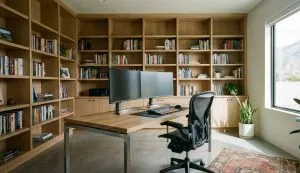
| Home office | $5,000 – $10,000 | $7,500 |
| Full garage apartment | $20,000 – $50,000+ | $35,000 |
| 2-car garage conversion | $15,000 – $40,000 | $25,000 |
| Luxury/custom conversion | $75,000 – $150,000+ | $100,000+ |
These figures include materials, labor, permits, and finishes appropriate to each tier.
What separates a budget conversion from a high-end one?
Budget conversions often cut corners on insulation, use builder-grade materials, and may skip details like proper fire separation or integrated HVAC. High-end conversions, typically done as part of a comprehensive whole-house renovation, include premium finishes, custom millwork, fully integrated climate control, smart home systems, and meticulous attention to code compliance and craftsmanship.
When a garage conversion is part of a larger renovation, such as a whole-house remodel or significant home addition, some costs can be shared. Electrical panel upgrades, HVAC system expansions, and permit fees may already be part of the bigger project scope.
Factors That Affect Your Garage Conversion Cost
Several variables determine what you’ll actually pay for your project. Understanding these upfront helps you budget accurately and avoid surprises.

Size and Layout
A one-car garage (roughly 240 square feet) costs significantly less to convert than a two-car garage (around 440 square feet). The layout matters too, garages with existing windows or side doors require less structural work than those with only a large overhead door.
Plumbing Requirements
Adding a bathroom or kitchenette increases costs substantially. Installing new water lines and drain pipes, plus connecting to your sewer system, can cost between $5,000 and $15,000. This depends on how far they are from existing plumbing and how complex the installation is.
Electrical Upgrades
Most garages have minimal electrical capacity, usually just a few outlets and a light fixture. Converting to living space requires bringing the electrical system up to residential code, which means additional circuits, GFCI outlets, and potentially upgrading your main panel. Budget $2,000 to $5,000 for standard electrical work, or $8,000 to $15,000+ for comprehensive upgrades with smart home integration.
HVAC and Insulation
Utah’s temperature swings demand proper climate control. Options include extending your existing HVAC system, installing a ductless mini-split, or adding electric baseboard heaters. Insulation for walls, ceiling, and the garage door opening typically runs $1,500 to $4,000. A ductless mini-split system costs $3,000 to $7,000 installed.
Floor Leveling
Garage floors slope toward the door for drainage, usually about 1 inch per foot. Leveling the floor for conversion costs between $600 and $2,000. The price depends on the square footage and the method you choose. Options include self-leveling compound, plywood subfloor, or concrete overlay.
Finish Quality
This is where costs diverge dramatically. Builder-grade materials, basic flooring, and standard fixtures keep costs low. Custom cabinetry, hardwood floors, designer fixtures, and architectural details can triple or quadruple the finishing costs.
Permits and Inspections
Salt Lake City and most Utah municipalities require building permits for garage conversions. Expect to pay between $500 and $1,500 for permits. If you need electrical or plumbing permits, there will be extra fees. Working without permits can result in fines and complications when selling your home.
How to Convert a Garage Into Living Space: Step by Step
Planning a garage conversion involves several phases. Here’s what the process looks like from start to finish:

Step 1: Check Local Zoning Requirements
Contact your local building department before making any plans. Salt Lake City requires permits for garage conversions and has specific rules for egress windows, ceiling height (at least 7 feet), and parking replacement. Some HOAs restrict or prohibit garage conversions entirely.
Step 2: Create a Design Plan
Decide what you’re converting the space into and create detailed plans. For simple conversions, you might use your contractor’s standard drawings. For complex projects or structural changes, you might need an architect or engineer. This can add $1,000 to $5,000 to your budget, or significantly more for custom architectural design.
Step 3: Obtain Permits
Submit your plans to the building department for review. In Salt Lake City, you can apply through the Citizen Access Portal. Plan review typically takes 2-4 weeks. A licensed general contractor must pull the permit for dwelling unit conversions in Utah.
Step 4: Complete Demolition and Prep
Remove the garage door and frame the opening for a wall (or large windows). Address any moisture issues, repair cracks in the concrete floor, and prepare the space for new systems.
Step 5: Rough-In Electrical and Plumbing
Install new electrical circuits, outlets, and switches according to code. If adding a bathroom or kitchen, run water supply and drain lines before closing walls.
Step 6: Install Insulation and Drywall
Insulate exterior walls, ceiling, and the former garage door opening. Install drywall on walls and ceiling, tape, mud, and sand smooth.
Step 7: Finish Flooring, Paint, and Trim
Level the floor if needed, install your chosen flooring material, paint walls and ceiling, and add baseboards and trim.
Step 8: Install HVAC and Final Fixtures

Mount your heating/cooling system, install light fixtures, outlets, and switches. If you added plumbing, install fixtures and connect appliances.
Step 9: Schedule Final Inspections
The building department will check framing, electrical, plumbing (if needed), and final completion before issuing a certificate of occupancy.
Is a Garage Conversion Worth the Investment?
Garage conversions offer strong returns when planned thoughtfully. Here’s how to evaluate whether this project makes sense for your property.
Return on Investment
Converting a garage to living space typically returns 60% to 80% of the project cost in added home value. A $30,000 conversion could add $18,000 to $24,000 to your home’s value. High-end conversions with premium finishes often see even better returns in luxury markets. Creating a legal accessory dwelling unit (ADU) that earns rental income greatly shortens the payback period.
Rental Income Potential
In Salt Lake County, a garage apartment or converted unit can earn $800 to $1,500 each month. This depends on its size, finishes, and location. At $1,000 per month, a $35,000 conversion pays for itself in under three years.
Comparison to Other Options
Building a traditional home addition costs $100 to $300 per square foot in Utah, two to four times more than a basic garage conversion. A backyard cottage or guest house costs $150 to $350 per square foot to build from scratch. Converting existing garage space offers strong value per square foot of living space gained.
When a Garage Conversion May Not Make Sense
Think about other options if your garage is needed for parking, especially in HOA areas. Also consider whether your home already has enough living space. Will the conversion take away important storage? Some buyers specifically want garage parking, so eliminating it could narrow your pool of future buyers.
Utah Building Code Requirements for Garage Conversions
Utah follows the International Residential Code with state amendments. Key requirements include:
- Ceiling height: Minimum 7 feet in habitable rooms
- Egress windows: Required in bedrooms; minimum 5.7 square feet of opening area
- Electrical: All outlets must be GFCI-protected, installed minimum 18 inches above floor
- Smoke and carbon monoxide detectors: Required in sleeping areas and adjacent hallways

Kelly Anderson, General Manager at Ironwood Custom Builders and President of the Utah Home Builders Association, notes: “The most common issues we see with DIY garage conversions are inadequate insulation and skipped permits. Homeowners think they’re saving money, but a poorly insulated conversion costs more to heat and cool every month, and unpermitted work creates real problems when it’s time to sell.”
Frequently Asked Questions
How much does it cost to convert a garage into a bedroom in Utah?
Converting a garage into a bedroom costs $6,000 to $17,000 in Utah for a basic conversion. This includes insulation, drywall, flooring, one window, electrical updates, and HVAC connection. Adding a closet, upgraded finishes, or additional windows increases the cost. High-end bedroom conversions with premium materials can reach $30,000 to $50,000+.
Do I need a permit to convert my garage in Salt Lake City?
Yes, Salt Lake City requires a building permit for garage conversions. Submit your plans for review. A licensed general contractor must pull the permit for dwelling unit conversions. Electrical and plumbing work require separate trade permits.
How long does a garage conversion take?
Most garage conversions take 4 to 8 weeks from permit approval to completion. Simple bedroom conversions can take 4 weeks. Full garage apartments with plumbing and custom finishes may take 8 to 12 weeks. High-end conversions as part of larger renovation projects may take longer to ensure quality and coordination with other work.
Can I convert my garage into an ADU in Utah?
Yes, Utah law allows internal ADUs within your home’s existing footprint on most residential properties. Salt Lake City updated its ADU ordinance in 2024 to reduce restrictions. ADUs can be up to 1,000 square feet but must be smaller than the primary dwelling.
What’s cheaper: garage conversion or a home addition?
Garage conversion is significantly cheaper at the basic level. Budget conversions cost $25 to $75 per square foot, while new home additions cost $100 to $300 per square foot. You’re using an existing foundation, walls, and roof, eliminating the most expensive elements of new construction.
Will converting my garage hurt my home’s resale value?
It depends on your market and how well the conversion is executed. In areas where parking is scarce or HOA-required, removing garage parking could hurt value. In many Salt Lake County neighborhoods, a well-executed conversion can boost value by adding functional living space. The key is quality construction and proper permitting.

When to Include a Garage Conversion in a Larger Project
Homeowners planning a big renovation should think about adding a garage conversion. It often offers more value than doing it as a separate project later. Here’s why:
Shared Infrastructure Costs
If you’re upgrading your electrical panel, extending HVAC, or changing plumbing for a kitchen remodel, include the garage conversion. This way, you won’t pay for those system upgrades twice.
Design Continuity
Working with a single builder on a larger project ensures the converted garage matches the rest of your home in finishes, flow, and quality. Piecemeal projects often result in spaces that feel disconnected.
Permit Efficiency
Combining several improvements into one permit application makes approval easier. It also cuts down on total permit fees compared to handling separate projects.
Quality Assurance
When you convert a garage as part of a high-end renovation, the same craftsmanship standards apply. Every detail, from fire separation to finish carpentry, receives the attention it deserves.
Ready to Explore Your Options?
Garage conversions offer Utah homeowners a practical path to more living space at a fraction of new construction costs. Whether you’re considering a simple bedroom conversion, a home office space, or a full garage apartment with rental potential, the investment can pay dividends for years.
At Ironwood Custom Builders, we’ve helped Salt Lake City homeowners navigate garage conversions from initial planning through final inspection. Our clear pricing has no surprises. Our team manages permits, construction, and inspections. You can relax and enjoy your new space.
Schedule a consultation to discuss your garage conversion project and receive a detailed cost estimate for your specific situation.